
Basement flood restoration in Toronto starts with a safe assessment of the water source and the affected rooms. Floods4Less helps property owners plan water removal, drying and repairs. However, a flooded basement can contain electrical hazards or sewage, so arrange a safety assessment before entering.
What causes basement flooding?
Heavy rain and melting snow can overwhelm drainage. In addition, a blocked sewer, failed sump pump or leaking pipe can send water into a basement. Even a home that has stayed dry for years can develop a problem.
First, note when the water appeared and where it entered. For example, water around a floor drain may need a different investigation from a leak below a supply pipe. Share these observations with the technician rather than assuming the cause.
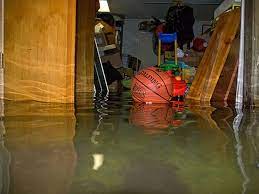
Water damage in a basement
Before basement flood restoration in Toronto begins
Keep children and pets away from the affected area. Never enter water that may touch outlets, cords or appliances. Also, do not reach an electrical panel through standing water. Contact the electricity utility or a qualified electrical professional for help.
If a pipe is leaking, shut off the water only when the valve is safely accessible. If you suspect a sewer backup, avoid using plumbing fixtures until the problem has been assessed. For local guidance, read the City of Toronto basement flooding information.
Water removal and drying
Once access is safe, the team checks the affected materials and plans the cleanup. The water source and level of contamination influence which items can be cleaned. Therefore, sewage cleanup needs a different approach from a small clean-water leak.
Next, technicians remove standing water and assess floors, wall cavities and contents. Drying equipment helps remove remaining moisture. However, a surface that feels dry may still hide damp material underneath. Moisture checks help guide the next steps.
Our water extraction and structural drying services explain this process in more detail. Repairs should follow the drying assessment so that wet materials are not covered over.
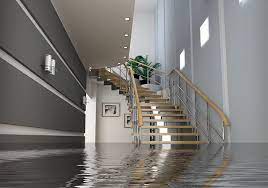
Assess affected materials before repairs
Keep clear records of the damage
From a safe location, photograph the affected rooms and belongings. Then record the date, the suspected source and any emergency work. Keep receipts and contact your insurer to discuss its requirements. Your policy and the circumstances determine coverage.
Finally, address the cause of the flood alongside the repairs. This may involve plumbing, drainage or sump-pump work. A restoration plan should explain both the immediate cleanup and any follow-up work.
Arrange basement flood restoration in Toronto
Call Floods4Less at 416-500-2117 to discuss the damage and access to your property. Alternatively, send our team an enquiry. Tell us which rooms are affected and whether water is still entering so we can discuss the next step.

Recent Comments