
Flood damage cleanup in Winnipeg starts with identifying wet areas and protecting a clear record of the loss. Floods4Less helps assess the property and plan removal, drying and repairs. However, hidden moisture may remain after visible water disappears.
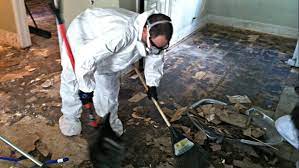
Document affected areas before repairs
Recognize changes around the property
First, note stains, swollen trim, changed flooring or persistent odours. These signs can help guide an inspection. For example, a damp cabinet may suggest a nearby leak, while a wall stain may need wider investigation.
Also, tell the team when the change appeared and whether it followed rain or plumbing use. Avoid treating a smell as proof of a specific problem. An assessment should establish the cause and extent of the moisture.
Prepare for flood damage cleanup in Winnipeg
Keep people away from standing water that may involve electricity or sewage. Follow local instructions about access after a wider flood. For general precautions, read Canada’s flood recovery guidance.
Next, photograph rooms and belongings from a safe location. Make a list of affected items and keep emergency-work receipts. Then ask your insurer what documentation it needs before disposal or repairs.
From water removal to drying
The team assesses materials and plans extraction once access is safe. Contamination can change what is cleanable and what needs removal. Therefore, discuss the scope before moving or discarding contents.
Our water extraction and structural drying process includes checking remaining moisture. In addition, ask for updates if the team finds damage beneath finishes. The work may change as concealed areas become accessible.
Address the cause before new finishes
Drying does not repair every source of water. Confirm which plumbing or drainage work needs attention. If the assessment finds mold, review the remediation plan before rebuilding.
Finally, call 416-500-2117 to discuss flood damage cleanup in Winnipeg. Alternatively, send Floods4Less an enquiry with your property location and affected rooms. We can discuss arrangements, access and the next stage of the assessment.

Recent Comments